
Complete Guide to Senior Dog Care: What I Wish I’d Known Earlier
Yappy Life contains affiliate links and is a member of the Amazon Services LLC Associates Program. If you make a purchase using one of these Amazon links, I may receive compensation at no extra cost to you. See my Disclosure Policy for more information.
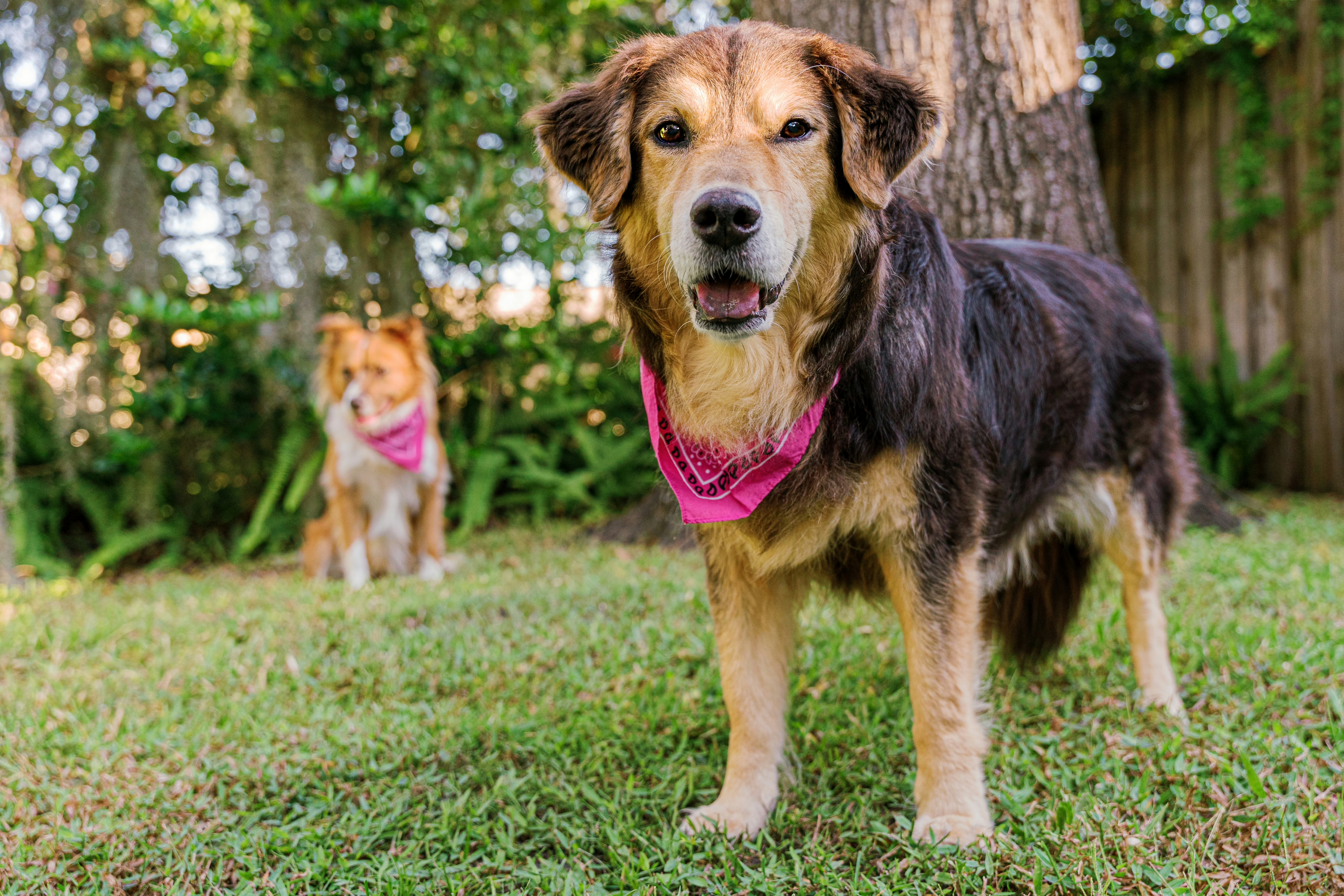
I’ll never forget the moment I realized Rainey was becoming a senior dog. It wasn’t the gray hairs creeping across her beautiful muzzle—those had been appearing gradually for months.
It was watching her hesitate to jump on the couch, the same couch she’d jumped up on thousands of times without a second thought. That three-second pause spoke volumes about the changes happening in her aging body, changes I had been unconsciously making excuses for.
“She’s just tired from our long walk,” I’d tell myself. Or “Maybe she’s just being cautious today.” But deep down, I knew something fundamental was shifting. My vibrant, energetic companion was entering her golden years, and I was woefully unprepared for what that meant.
If you’re reading this, chances are you’ve had your own “gray muzzle moment”—that realization that your furry family member is aging and needs different care than they did in their younger years.
The good news is that senior dogs can live incredibly fulfilling, comfortable lives with the right support and understanding. The challenge is knowing what changes to make and when to make them.
This guide covers everything I wish I’d known when Rainey first started showing signs of aging: from recognizing the subtle early signs to creating a comfortable environment, managing health changes, and making the most of these precious golden years together.
I’ve also compiled everything into a comprehensive Senior Dog Comfort Checklist that helps organize all these considerations into manageable, actionable steps.
Recognizing the Signs: When Does Your Dog Become a Senior?
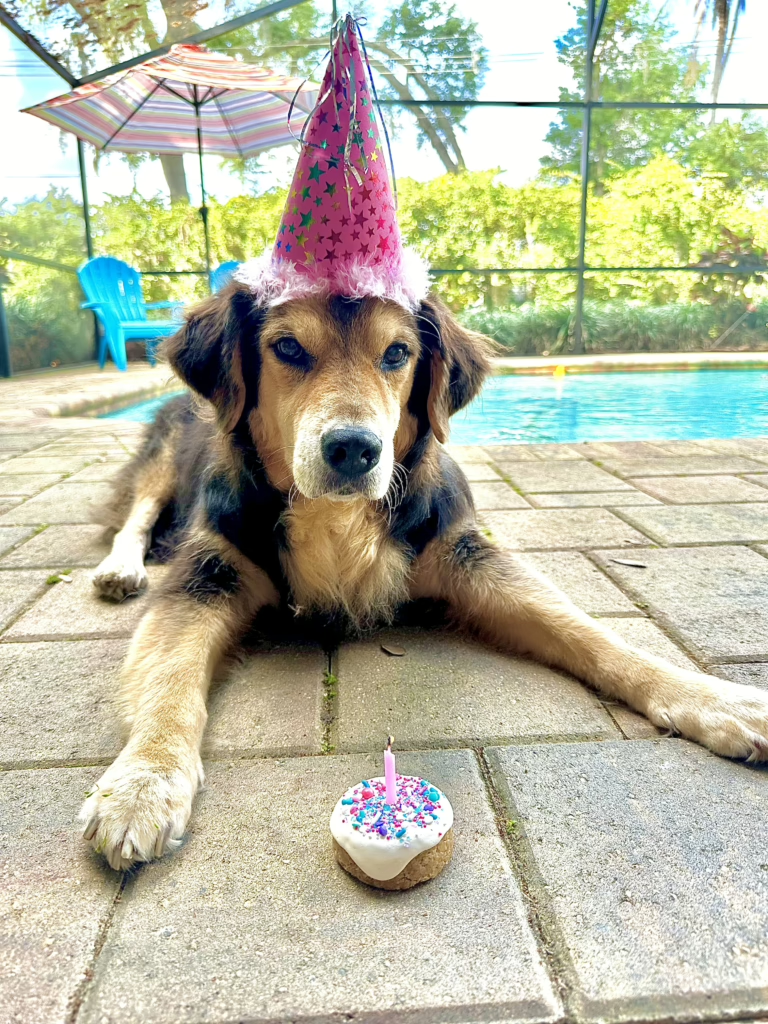
The transition to senior status isn’t marked by a single birthday—it’s a gradual process that varies significantly based on your dog’s size, breed, and individual health.
Generally, larger dogs are considered seniors around 6-7 years old, while smaller dogs don’t typically reach senior status until 8-10 years old. But these are just guidelines; every dog ages differently.
Physical signs to watch for include:
The graying around the muzzle is often the first visible sign, but it’s the subtle changes that tell the real story. With Rainey, I noticed she was sleeping more during the day and seemed stiff when getting up from her favorite sunny spot by the window.
Her enthusiasm for our morning walks remained, but she moved with less bounce in her step.
Vision and hearing changes can be gradual, too. Rainey started responding less quickly to my calls from across the yard, and I noticed her being more cautious in dim lighting. These weren’t dramatic changes—just small adjustments that became more noticeable over time.
Behavioral changes often include:
Sleep patterns frequently shift in senior dogs. Rainey began sleeping more deeply during the day but became restless at night, sometimes pacing or seeming uncomfortable. Her appetite remained good, but she became pickier about certain textures and temperatures of food.
Social interactions can change as well. While Rainey remained loving and affectionate, she became less interested in playing with visiting dogs and preferred quieter interactions with our family.
The most important thing I learned is not to dismiss these changes as simply “getting old.” While aging is natural, many symptoms that we attribute to age—like stiffness, confusion, or decreased appetite—can actually indicate treatable conditions. Early recognition and proactive care can significantly improve your senior dog’s quality of life.
Home Modifications for Senior Dog Comfort
Creating a senior-friendly environment was one of the most impactful changes I made for Rainey. The key is taking a systematic, room-by-room approach to identify and address mobility and comfort challenges.
Living Areas:
The first modification I made was adding non-slip rugs throughout our hardwood floors. Rainey had begun moving more cautiously on smooth surfaces, and these simple additions gave her confidence to navigate freely. I placed them strategically by her bed, food bowls, and favorite resting spots.
Upgrading to an orthopedic bed made an enormous difference in Rainey’s comfort. Memory foam beds provide crucial joint support and help maintain proper alignment during rest. I noticed she settled in more easily and seemed more comfortable when waking up.
For furniture access, I invested in a sturdy ramp that allowed Rainey to continue joining me on the couch without the strain of jumping. Initially, I was worried she wouldn’t use it, but with patience and treats, she adapted quickly. The ramp preserved her independence while protecting her joints.
Lighting became more important as Rainey’s vision changed. I added nightlights in hallways and kept pathway lights on during evening potty breaks, helping her navigate safely in low-light conditions.
Kitchen and Feeding Areas:
Raised food and water bowls eliminated the strain of bending down to eat, making mealtime more comfortable for Rainey’s neck and joints. I positioned non-slip mats underneath to prevent the bowls from sliding during meals.
I also created multiple water stations throughout the house, ensuring Rainey always had easy access to fresh water without having to travel far. This proved especially helpful during warmer months when hydration becomes even more critical.
Outdoor Spaces:
.I created several shaded rest areas with comfortable outdoor beds, allowing her to enjoy fresh air without overexertion.
Ensuring our fence was secure became more important as Rainey’s hearing diminished and she became less aware of potential outdoor dangers. I also put a fence around our pool to ensure Rainey would not fall in.
The modifications that made the biggest difference for Rainey were surprisingly simple and cost-effective: the non-slip rugs, raised food bowls, and that wonderful ramp to the couch. These changes didn’t transform our home dramatically, but they transformed Rainey’s daily comfort and confidence immeasurably.
Health Monitoring and Veterinary Care
As Rainey aged, I learned that more frequent veterinary visits became essential—typically every six months instead of annually. But equally important is the daily health monitoring that happens at home.
Daily Health Assessment:
I developed a routine of observing Rainey’s mobility each morning, noting how easily she got up from her bed and moved around. Some days were better than others, and tracking these patterns helped me identify what factors contributed to her comfort levels.
Monitoring her appetite and water intake became second nature. I noticed that Rainey preferred slightly warmed food and drank more water when her bowls were cleaned daily and refilled with fresh water.
Sleep quality observations proved valuable too. Rainey’s restless nights often correlated with weather changes or increased activity levels the previous day, helping me adjust her routine accordingly.
Creating a Symptom Journal:
Keeping notes about Rainey’s daily comfort, appetite, energy levels, and any concerning behaviors created a valuable record for veterinary visits. This documentation helped our vet identify patterns and make more informed decisions about her care.
I tracked everything from bathroom habits to social interactions, noting changes in frequency, timing, or behavior. This information proved invaluable when Rainey developed some digestive sensitivities that we might have otherwise attributed to normal aging.
Preparing for Vet Visits:
Before each appointment, I compiled my observations and prepared specific questions about Rainey’s comfort and care. I brought lists of any new symptoms, changes in routine, and questions about appropriate exercise levels or pain management options.
The vet visits became more collaborative as I shared detailed observations about Rainey’s daily life. This partnership approach led to better care decisions and helped us address issues before they became serious problems.
Key Metrics to Track:
Weight monitoring became crucial as senior dogs can gain weight more easily due to decreased activity, but can also lose weight due to dental issues or other health problems. Regular weighing helped us maintain Rainey’s optimal weight for joint health.
I learned to recognize subtle pain indicators in Rainey: reluctance to move after resting, changes in breathing patterns, or altered sleeping positions. These observations helped our vet assess her comfort levels and adjust pain management strategies.
Establishing a strong relationship with our veterinary team made navigating Rainey’s senior years much less overwhelming. Having trusted professionals who knew her history and personality helped ensure she received the best possible care.
Exercise and Activity Modifications
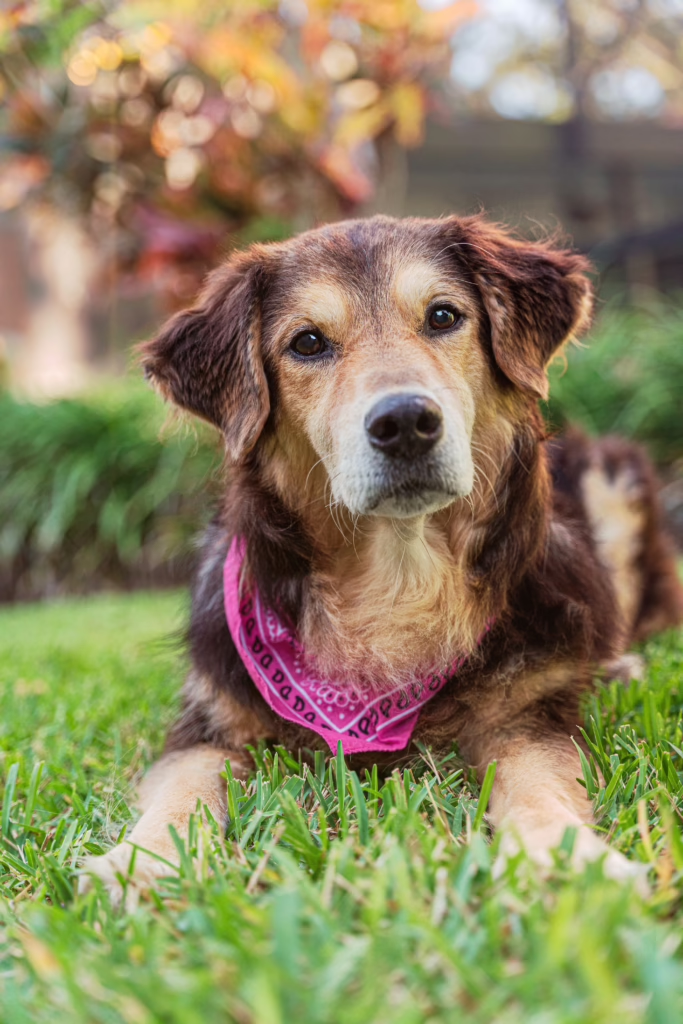
Adjusting Rainey’s exercise routine required finding the balance between maintaining her physical health and respecting her changing abilities. The goal became consistent, gentle movement rather than intense exercise sessions.
Adapting Our Walking Routine:
Instead of our previous long weekend hikes, I shifted to shorter, more frequent walks. Rainey seemed to prefer two 15-minute walks daily rather than one 30-minute session. This approach kept her muscles active without overexertion.
I learned to let Rainey set the pace, allowing her to stop and rest when needed without feeling rushed. Some days she wanted to explore every interesting scent, while other days she preferred a simple loop around the block.
Low-Impact Activities:
Mental stimulation games became increasingly important as physical activity decreased. Puzzle feeders, sniff mats, and gentle training sessions kept Rainey’s mind active and engaged. These activities often tired her out as much as physical exercise once did.
Recognizing Limits:
I learned to read Rainey’s signals more carefully, recognizing when she needed rest versus when she was simply being cautious. Heavy panting, reluctance to continue, or seeking shade were clear indicators that we needed to slow down or head home.
Weather considerations became more important. Hot days required earlier morning walks or indoor activities, while cold weather meant ensuring Rainey stayed warm and didn’t become stiff from low temperatures.
The key was maintaining Rainey’s joy in movement while protecting her aging body. Some days that meant a gentle stroll around the neighborhood, other days it meant indoor puzzle games or simply enjoying each other’s company in the backyard.
Nutrition and Weight Management

Rainey’s nutritional needs changed significantly as she entered her senior years, requiring adjustments to both what and how I fed her.
Senior-Specific Dietary Needs:
I transitioned Rainey to a high-quality senior dog food formulated for aging dogs, with appropriate protein levels and added joint support nutrients. The transition was gradual over several weeks to avoid digestive upset.
Weight management became crucial as Rainey’s activity level decreased. Working with our vet, we calculated her new caloric needs and adjusted portion sizes accordingly. Maintaining her optimal weight reduced stress on her joints and improved her overall mobility.
Supplement Considerations:
After consulting with our veterinarian, I added glucosamine and omega-3 supplements to support Rainey’s joint health. These additions seemed to help with her mobility and coat condition, though it’s important to note that supplements should always be veterinarian-approved.
Making Mealtime Easier:
The raised food bowls made eating more comfortable for Rainey, eliminating the need to bend her neck down to floor level. I also discovered she preferred slightly warmed food, which enhanced the aroma and made meals more appealing.
I divided her daily food into two smaller meals instead of one large meal, which seemed easier for her to digest and maintained her energy levels throughout the day.
Pain Management and Quality of Life
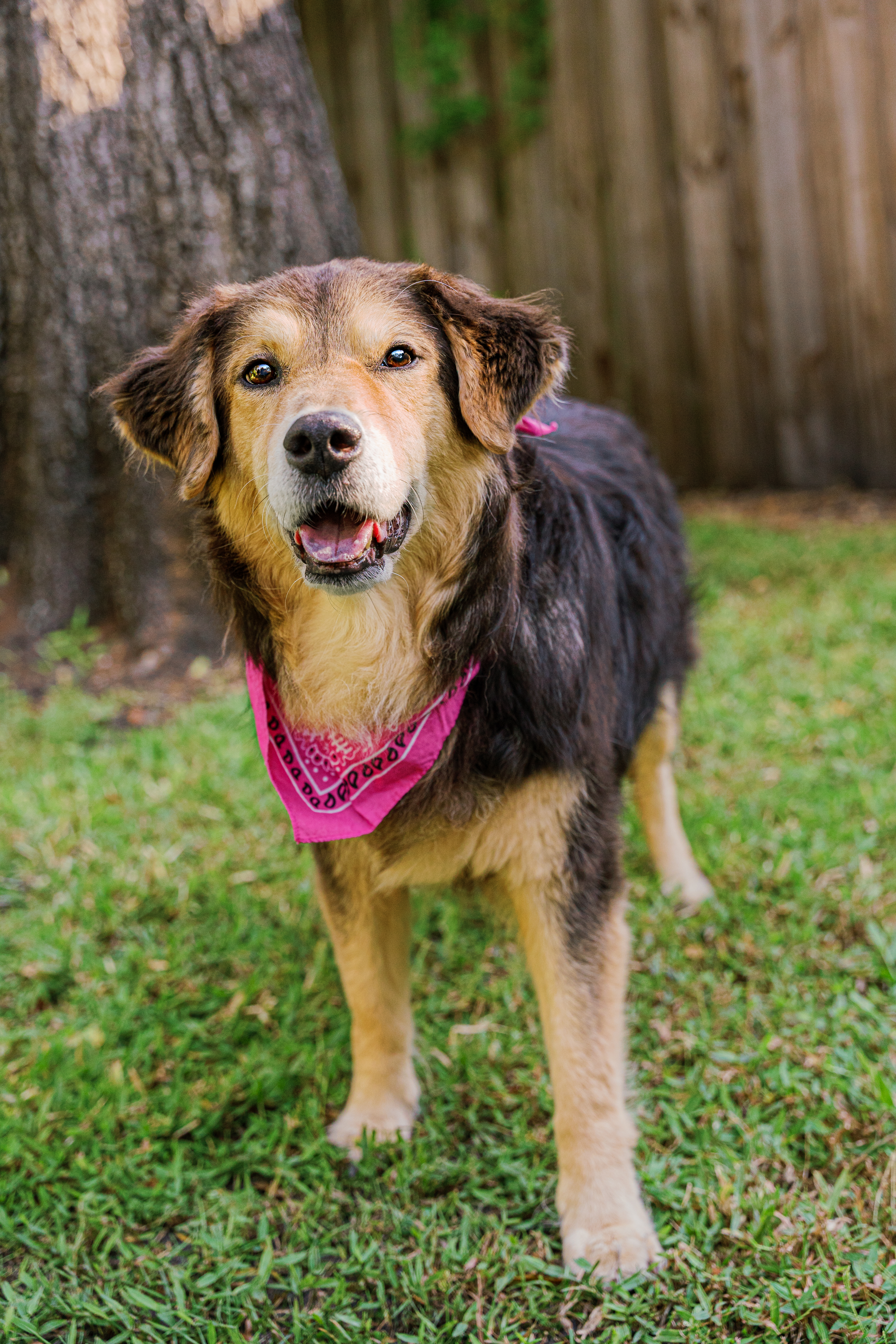
Learning to recognize and address Rainey’s discomfort became one of my most important skills as her caregiver.
Recognizing Pain in Dogs:
Dogs hide pain instinctively, so I had to become adept at reading subtle signs. Rainey’s pain signals included reluctance to get up after lying down, changes in her breathing patterns, or seeking out cooler surfaces to lie on.
She also became less social on uncomfortable days, preferring to rest quietly rather than seek attention. These behavioral changes were often my first indication that she needed extra support.
Modern Pain Management Options:
Working closely with our veterinarian, we developed a pain management plan that included both medication and environmental modifications. The combination of anti-inflammatory medication and comfort measures significantly improved Rainey’s daily quality of life.
Quality of Life Assessment:
I developed a mental checklist for evaluating Rainey’s quality of life: Was she still interested in food? Did she seek out social interaction? Could she move around comfortably? Did she still enjoy her favorite activities, even if modified?
This ongoing assessment helped guide our care decisions and ensured that our focus remained on Rainey’s comfort and happiness rather than simply extending her life.
The most important lesson I learned was that managing an aging dog’s pain isn’t about eliminating every discomfort—it’s about maintaining their dignity, independence, and joy in daily life.
Emotional and Mental Health

Rainey’s emotional well-being required as much attention as her physical health during her senior years.
Cognitive Changes:
I noticed Rainey occasionally seemed confused about familiar routines or became anxious in new situations that previously wouldn’t have bothered her. Maintaining consistent routines helped provide the security she needed.
Mental Stimulation:
Interactive puzzles, gentle training sessions, and sniff games kept Rainey’s mind active. Even simple activities like hiding treats around the house provided mental engagement that seemed to boost her overall mood.
Dealing with Anxiety:
Rainey developed some separation anxiety as she aged, preferring not to be left alone for long periods. I arranged for shorter absences when possible and created comfortable, secure spaces for times when leaving was necessary.
Maintaining Social Connections:
While Rainey became less interested in playing with other dogs, she still enjoyed calm social interactions. Gentle visits with dog-savvy friends and family members provided positive stimulation without overwhelming her.
Organizing Your Senior Dog Care Journey
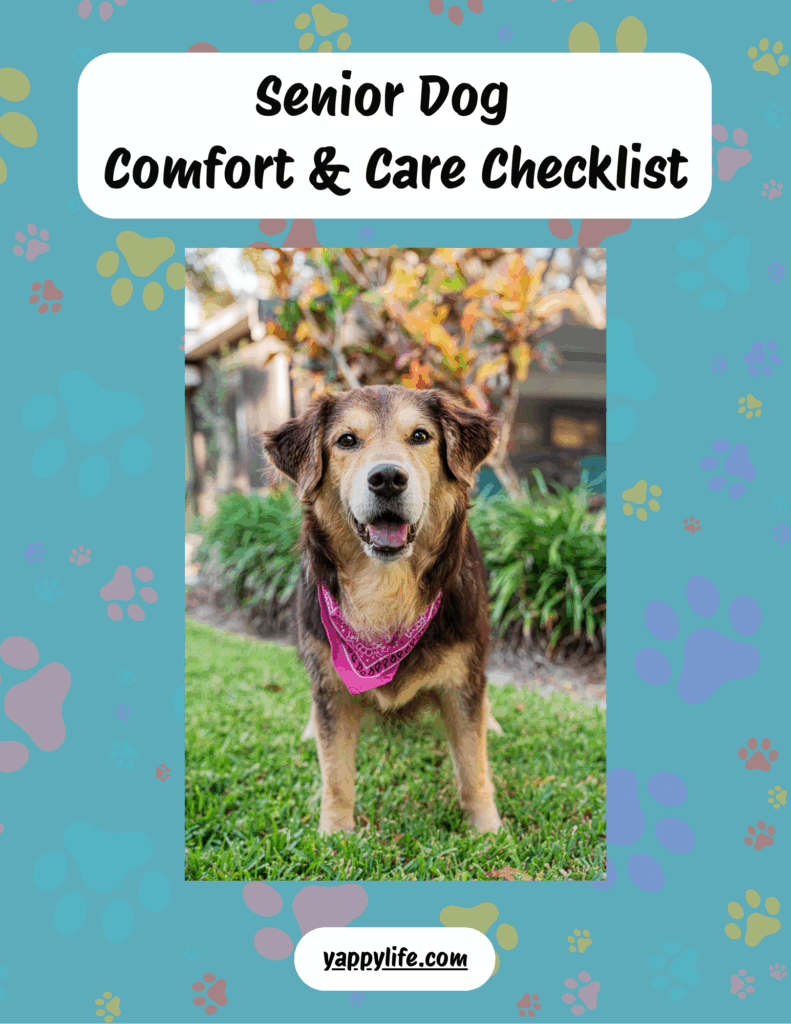
Managing all these aspects of senior dog care can feel overwhelming, which is why I created the Senior Dog Comfort Checklist. This comprehensive guide organizes everything we’ve discussed into manageable, actionable steps that you can implement at your own pace.
The checklist includes room-by-room home modification guides, daily health assessment tools, veterinary visit preparation sheets, and quality of life tracking systems. Rather than trying to remember all these considerations, you’ll have a systematic approach that ensures nothing important gets overlooked.
What I love most about having an organized approach is that it reduces the anxiety of wondering whether you’re doing enough for your senior dog. The checklist provides a clear roadmap for creating the most comfortable, supportive environment possible for your aging companion.
You can download the Senior Dog Comfort Checklist from our Etsy shop, where you’ll get instant access to all the tools and templates that have helped thousands of dog parents navigate their pets’ golden years with confidence.
Conclusion
Caring for Rainey through her senior years has been one of the most rewarding experiences of our journey together. Yes, it required adjustments, patience, and sometimes difficult decisions. But watching her continue to find joy in daily life—whether that’s a gentle morning walk, a puzzle toy challenge, or simply basking in a sunny spot—reminds me that these golden years can truly be golden.
Every senior dog’s journey is unique, and what worked for Rainey might need to be adapted for your furry family member. The key is staying observant, proactive, and focused on quality of life rather than just quantity of time.
Remember, you’re not just caring for an aging dog—you’re honoring a lifetime of loyalty, love, and companionship. Your senior dog has given you their best years; now it’s time to ensure their remaining years are filled with comfort, dignity, and joy.
What changes have you noticed in your senior dog? What modifications have made the biggest difference in their comfort? I’d love to hear about your experiences and learn from your journey. Share your stories in the comments below, and let’s support each other through this meaningful chapter of our dogs’ lives.
For more senior dog care resources and the complete Senior Dog Comfort Checklist, visit our shop where you’ll find everything you need to provide the best possible care for your aging companion.


 ]
]
Recent Comments