
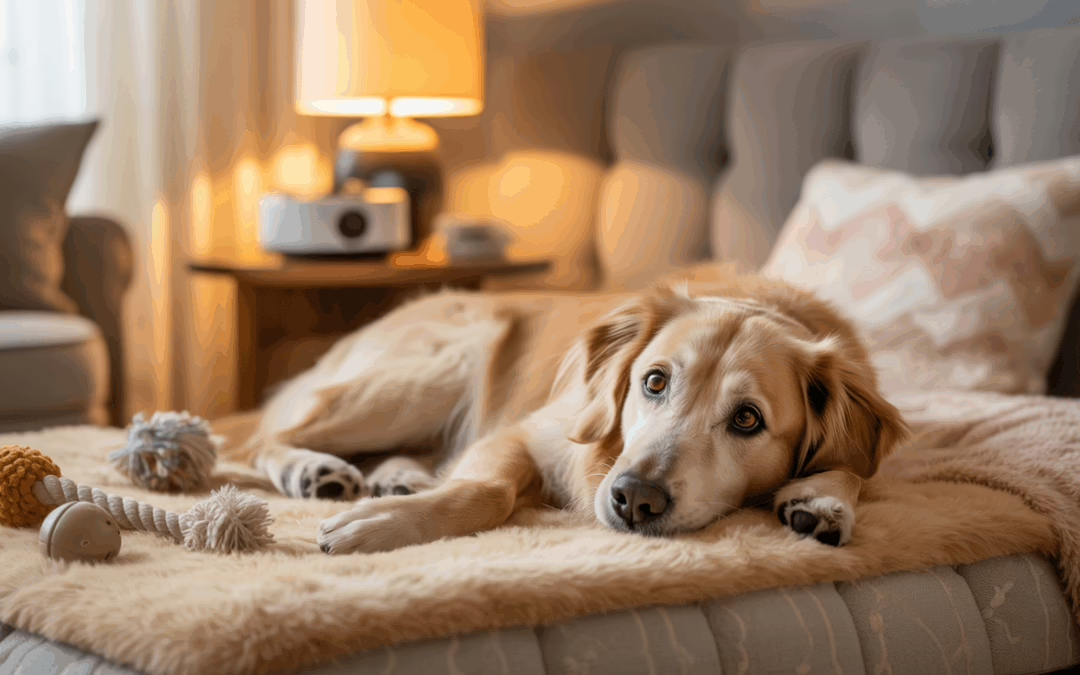
Creating a Safe Zone for Anxious Dogs on Halloween Night
Halloween is one of those holidays that brings out excitement in humans but can trigger significant stress in our furry family members. Between the constant doorbell ringing, strangers in costumes appearing at the door, and unusual activity levels in the neighborhood, it’s no wonder so many dogs struggle on October 31st.
If your devoted companion shows signs of anxiety during Halloween—pacing, panting, hiding, or excessive barking—you’re not alone. Many pet parents face this challenge every year. The good news? With thoughtful preparation and a well-designed safe zone, you can help your dog navigate Halloween night with much less stress.
Understanding Why Halloween Stresses Dogs
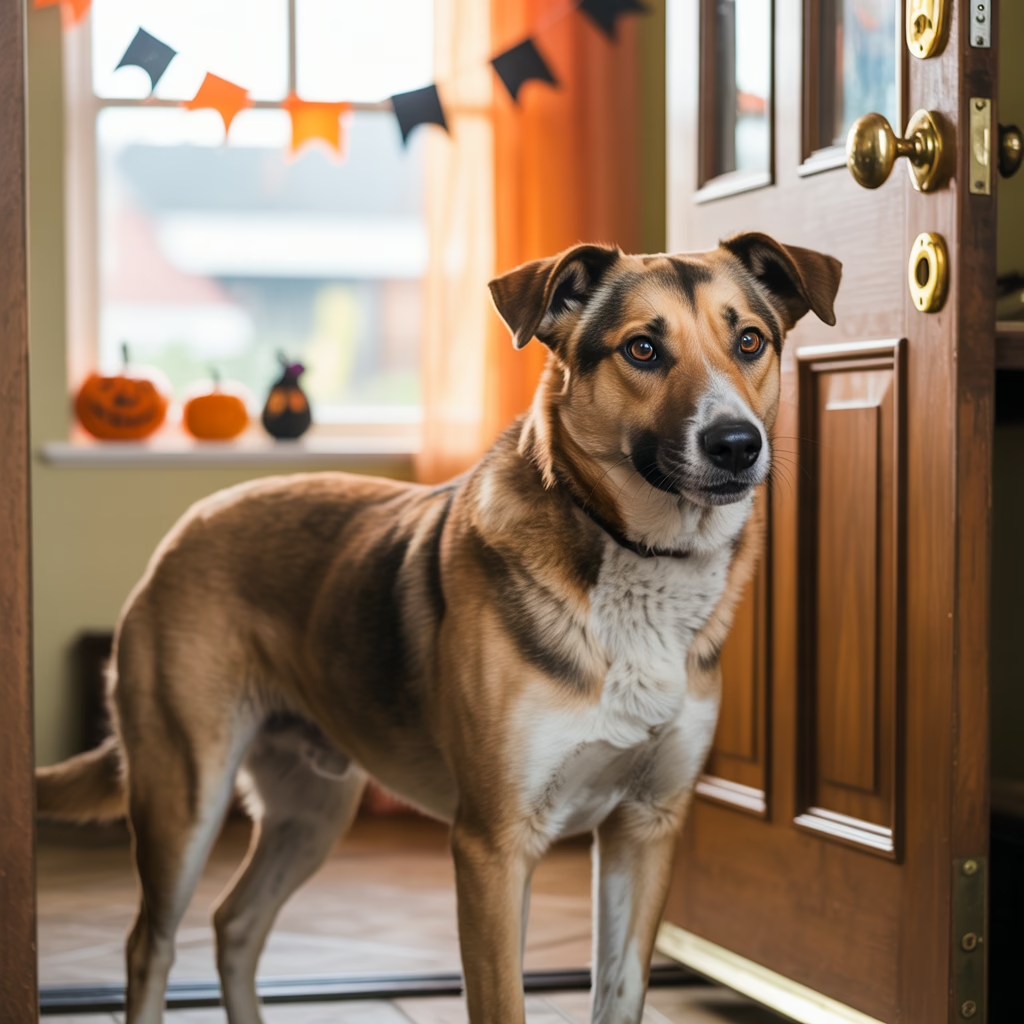
Before we dive into solutions, let’s acknowledge what makes Halloween particularly challenging for our canine companions. Dogs thrive on routine and predictability, and Halloween disrupts both in significant ways.
The constant doorbell ringing creates repeated startle responses that can compound throughout the evening. Each ring triggers your dog’s alert system, and without adequate recovery time between doorbells, stress hormones build up. For anxious dogs, this repetitive stimulation can feel overwhelming.
Add to that the parade of strangers approaching the home (often in unusual costumes that obscure normal human silhouettes), and you’ve created a perfect storm of canine anxiety. Even confident dogs can find masked faces and flowing capes unsettling, since these elements interfere with their ability to read body language—something they rely on heavily to assess whether someone is friend or foe.
The Power of a Designated Safe Zone
Creating a safe zone isn’t about isolating your dog or making them face their fears. It’s about providing a sanctuary where they can feel secure while the unusual activity happens elsewhere in your home. Think of it as giving them a cozy retreat where the chaos of Halloween can’t reach them.
This approach respects your dog’s emotional state while allowing you to participate in Halloween festivities without constant worry about your furry friend’s wellbeing. Senior dogs, in particular, may prefer skipping the festivities entirely and spending a quiet evening in their favorite comfortable spot.
Choosing the Right Location
The foundation of an effective safe zone starts with location selection. You’ll want to choose a room that’s as far from the front door as possible to minimize doorbell noise and activity. A bedroom, home office, or spare room often works well.
Consider your dog’s existing preferences too. If your pup already gravitates toward a particular room when stressed, that’s an excellent choice for their Halloween retreat. They’ll already associate that space with comfort and security.
The room should have a door you can close to create a sound barrier and prevent your dog from bolting out if they become startled. It should also be a space where they’ve spent time before—introducing them to a completely new room on Halloween night could add to their stress rather than reduce it.
Setting Up the Physical Space
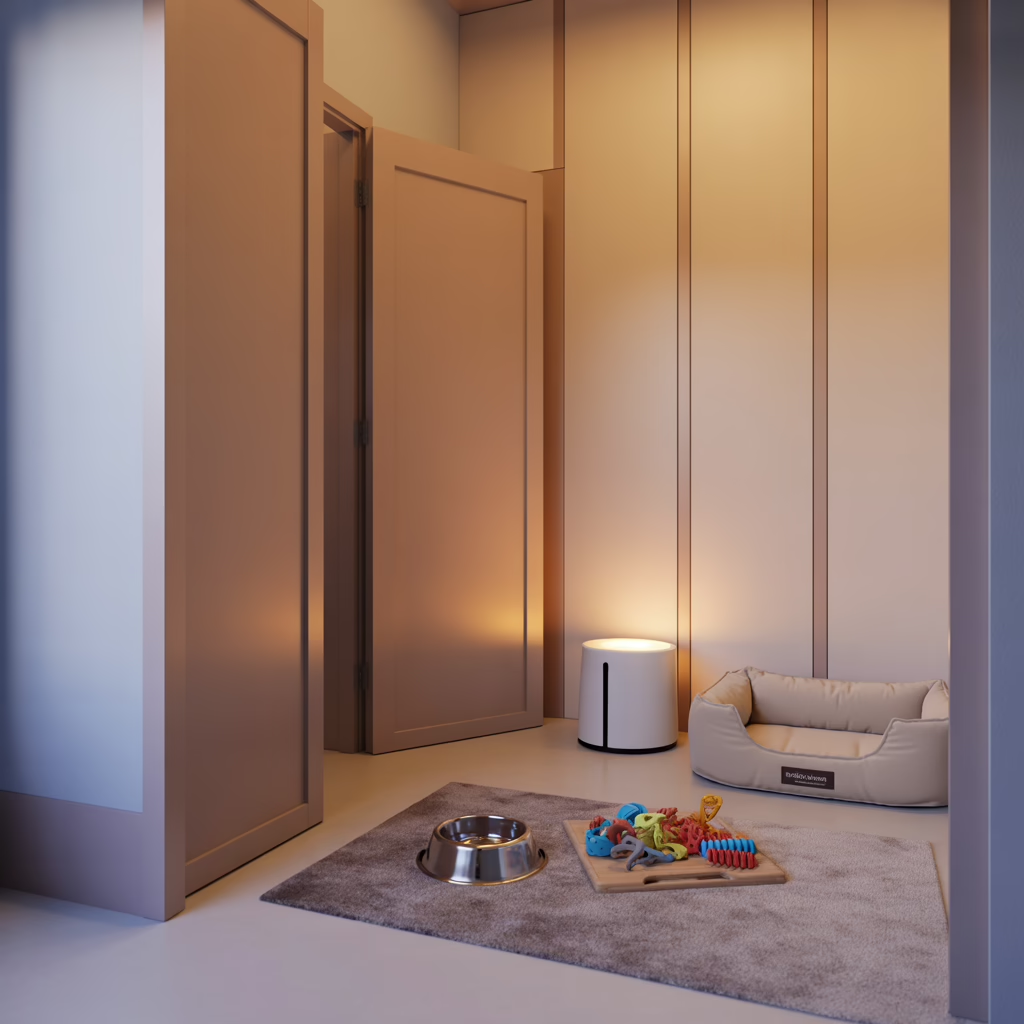
Once you’ve selected the location, it’s time to create an environment that promotes calm and comfort. Start with bedding that your dog finds particularly cozy. Many dogs appreciate orthopedic beds or memory foam options, especially if they’re older or have joint concerns. Layer familiar blankets that carry comforting scents from your home.
Lighting matters more than you might think. Harsh overhead lights can feel clinical and uncomfortable, while complete darkness might increase anxiety for some dogs. Soft, warm lighting from a lamp creates a soothing ambiance. If your dog seems calmer in dimmer conditions, you can use a nightlight instead.
Temperature control deserves attention too. A comfortable temperature helps dogs relax, so adjust the thermostat or use fans as needed. Many dogs appreciate having both a warm spot and a cooler area so they can self-regulate based on their comfort level.
Sound Management Strategies
Managing the auditory environment is crucial for reducing Halloween-related stress. The constant doorbell chimes, excited voices, and neighborhood activity create a challenging soundscape for sensitive dogs.
White noise machines work remarkably well for masking intermittent sounds like doorbells and voices. The consistent, gentle background noise makes sudden sounds less startling. You can purchase a dedicated white noise machine or use a smartphone app—both approaches work equally well.
Calming music specifically designed for dogs provides another excellent option. Research has shown that certain types of music, particularly classical and soft rock at specific tempos, can help reduce canine anxiety. Several streaming services now offer playlists created specifically for anxious dogs.
Some pet parents find success running a fan in the safe zone room. The steady hum provides white noise while also circulating air and maintaining a comfortable temperature.
For dogs with severe noise sensitivity, you might consider playing the television or radio at moderate volume. Choose programming with calm, steady audio rather than action-packed shows with sudden loud noises.
Comfort Items and Enrichment

Your dog’s safe zone should include items that provide comfort and appropriate mental stimulation. Familiar toys that carry your scent and their own scent help reinforce that this is their special space. Avoid introducing brand new toys on Halloween night—stick with favorites they already know and love.
Long-lasting chews serve double duty: they provide calming oral activity while keeping your dog pleasantly occupied. Bully sticks, antlers, or durable rubber toys stuffed with treats can keep an anxious dog engaged for extended periods. The act of chewing releases endorphins that naturally help reduce stress.
Consider puzzle feeders or slow-feed toys if your dog enjoys food-based activities. These provide mental stimulation that can redirect anxious energy into focused problem-solving. For many dogs, having a “job” to do helps them feel more settled.
Interactive toys that don’t require your presence work well in safe zones. Snuffle mats that hide treats in fabric strips tap into your dog’s natural foraging instincts and provide engaging, calming activity. Frozen stuffed Kongs become long-lasting entertainment that many dogs find soothing.
Practice Runs Before the Big Night
Don’t wait until Halloween night to introduce your dog to their safe zone. Practice runs in the days leading up to October 31st help your furry friend build positive associations with this space and reduce any additional stress from sudden changes in routine.
Two to three days before Halloween, start having your dog spend short periods in their designated safe zone while you’re home and things are calm. Begin with just 15-20 minutes, providing favorite chews and toys. Gradually increase the duration over several practice sessions.
Make sure you don’t make a big fuss when putting them in or letting them out of the space—keep your energy calm and matter-of-fact. Your goal is for this to feel like a natural, comfortable part of their routine rather than something unusual or concerning.
During practice runs, occasionally ring your own doorbell or knock on the door to help your dog build tolerance for these sounds while they’re in their safe space. Pair these noises with high-value treats or favorite activities to create positive associations.
Additional Calming Aids
Beyond the physical safe zone setup, several supplemental approaches can help reduce anxiety for dogs who struggle significantly on Halloween.
Anxiety wraps or thundershirts work for many dogs by providing gentle, constant pressure that has a calming effect. Think of it as a comforting hug. These should be introduced well before Halloween so your dog associates them with calm feelings rather than stressful events.
For some dogs, pheromone diffusers like Adaptil can help create a more relaxing environment. These products release dog-appeasing pheromones that mimic the calming scent mother dogs produce for their puppies. Plug them in a few days before Halloween for best results.
Natural calming supplements containing ingredients like chamomile, L-theanine, or melatonin may help take the edge off anxiety for some dogs. Always consult with your veterinarian before introducing any supplements, as they can advise on appropriate products and dosing for your specific dog.
In cases of severe anxiety, talk to your vet about whether prescription anti-anxiety medication might be appropriate. Some dogs need pharmaceutical support to get through highly stressful events, and there’s no shame in exploring this option if your dog truly struggles.
Managing the Transition to Safe Zone
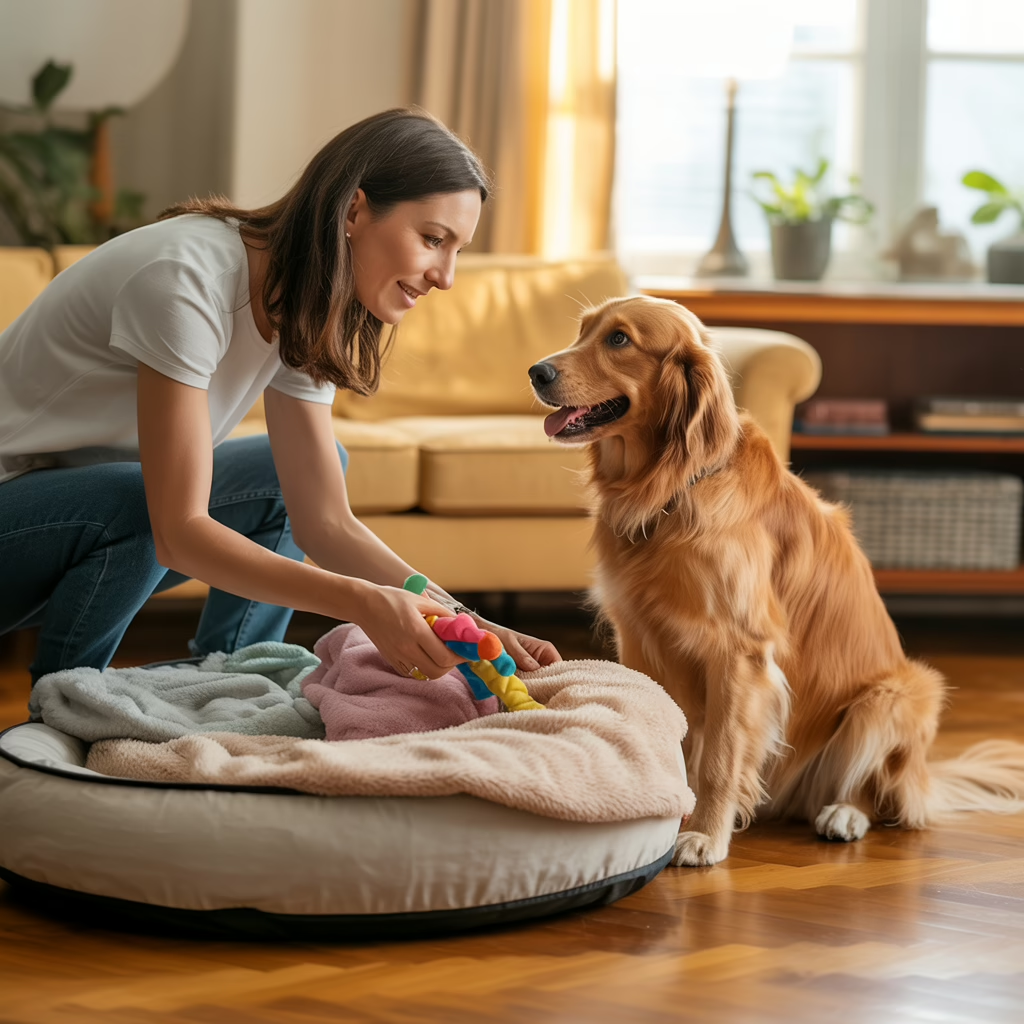
How you transition your dog into their safe zone on Halloween night matters as much as the space itself. Timing is important—you’ll want to settle your dog into their safe zone before trick-or-treating begins in your neighborhood.
Many families find success setting up their dog in the safe zone around 5:00 or 5:30 PM, before the doorbell activity starts. This allows your dog to settle in while things are still relatively calm rather than trying to move them once they’re already stressed.
Feed an early dinner so your dog isn’t associating the safe zone with missing meal time. Make sure they’ve had adequate exercise earlier in the day too—a tired dog is generally a calmer dog. A good walk or play session in the afternoon can help burn off nervous energy.
Take your dog out for a final potty break right before settling them in their safe zone. This prevents the need to navigate them through potential trick-or-treater chaos for bathroom breaks during peak hours.
When you place your dog in their safe zone, keep your energy calm and matter-of-fact. Overly emotional or sympathetic energy can actually reinforce anxious behavior. A simple “settle in, buddy” with a calm pat is better than lengthy, worry-laden goodbyes.
Monitoring Without Hovering
Once your dog is settled in their safe zone, resist the urge to constantly check on them. Repeated visits can actually increase anxiety by preventing them from fully relaxing and may reinforce the idea that there’s something to be worried about.
However, you do want to periodically monitor how they’re doing, especially if this is your first year using a safe zone approach. Consider using a pet camera if you have one—this allows you to check in visually without entering the room and disrupting any calm state they’ve achieved.
Plan for one or two quiet check-ins during the evening, timing them for lulls in trick-or-treater activity when possible. Keep these visits brief and calm. Offer water, perhaps swap out a chew for a fresh one, and provide quiet reassurance if needed.
Watch for signs that your dog is settling well: lying down in a comfortable position, engaging with toys or chews, or sleeping. These indicate your safe zone is working as intended. Signs of ongoing distress—constant pacing, excessive panting, attempts to escape the room—may mean you need to adjust your approach.
What About Dogs Who Want to Participate?
Not every dog needs to be sequestered away from Halloween festivities. Some confident, social dogs genuinely enjoy greeting trick-or-treaters and being part of the action. The safe zone approach is specifically for dogs who show signs of stress or anxiety around Halloween activity.
If your dog seems excited rather than stressed by the doorbell, thrives on greeting people, and shows relaxed body language throughout the evening, they might be fine participating in Halloween activities with you. Just monitor their stress signals carefully—some dogs start out enthusiastic but become overwhelmed as the evening progresses.
For dogs who are on the fence—sometimes okay, sometimes stressed—you might create a safe zone as a backup option. Set up the space so it’s ready if needed, but initially allow them to be with you. If you notice escalating stress signals, you can smoothly transition them to their prepared retreat.
The Morning After: Helping Your Dog Decompress
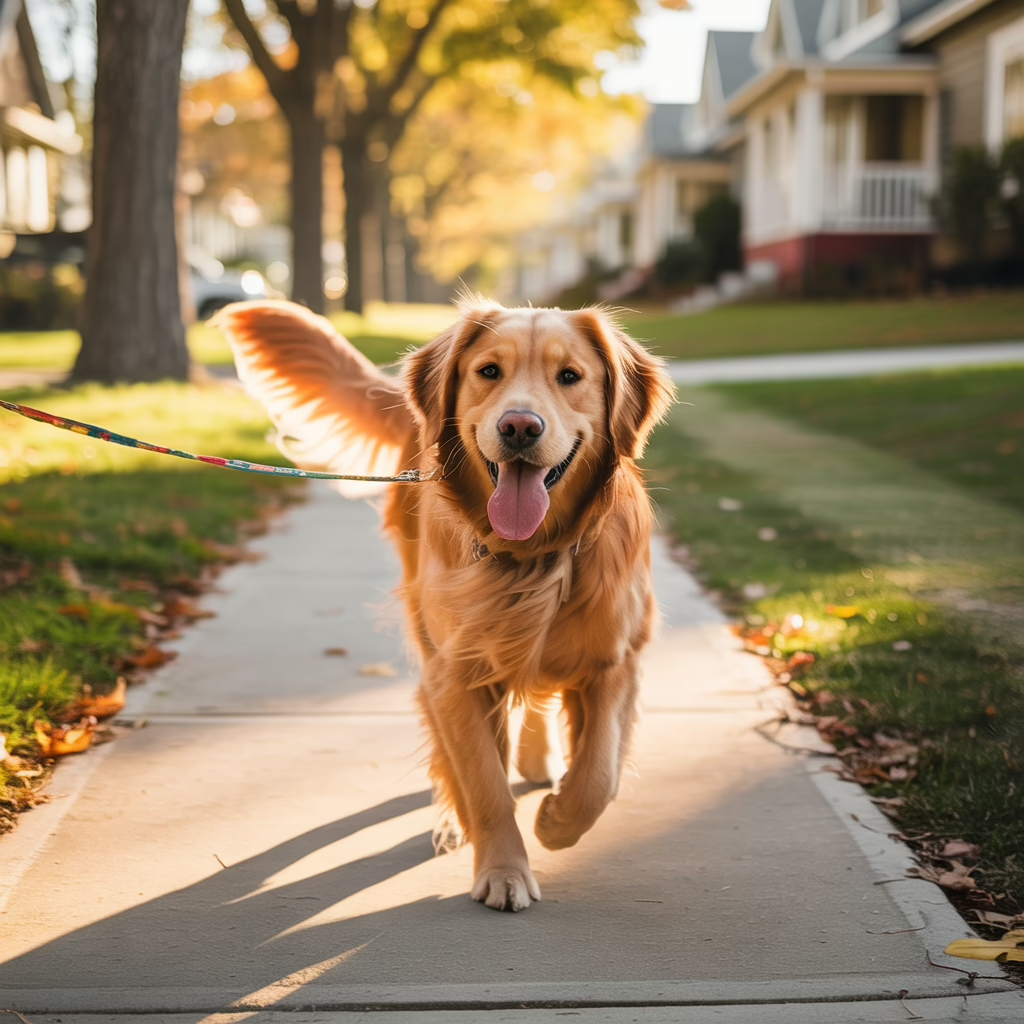
Halloween night doesn’t end when the last trick-or-treater leaves. Many dogs need time to decompress from the experience, even if they spent the evening in a well-designed safe zone.
On November 1st, plan for a calm morning with your usual routine. Anxious dogs particularly benefit from predictable schedules after disrupted evenings. Your dog may seem more tired than usual—this is normal after a stressful event, even if they appeared calm in their safe zone.
Offer extra opportunities for exercise and normal activities. A good morning walk in the familiar neighborhood can help reset their nervous system and reinforce that everything is back to normal. Engage in favorite activities and provide plenty of quiet affection.
Some dogs may seem clingy or slightly off the next day—this is their way of seeking reassurance that their world is secure again. Provide that comfort while maintaining normal boundaries and routines. Most dogs bounce back within 24 hours once Halloween activity has passed.
Creating Year-Round Comfort Skills
While this guide focuses on Halloween, the safe zone concept and stress-management skills you build transfer to other anxiety-inducing situations. Fourth of July fireworks, thunderstorms, construction noise, and busy holiday gatherings all become more manageable when your dog has experience with safe zones and calming strategies.
Consider your Halloween safe zone as practice for building your dog’s resilience toolkit. Each successful experience in a well-designed retreat helps your furry friend learn that they have a secure place to go when the world feels overwhelming. This confidence builds over time and multiple positive experiences.
You’re not just helping your dog survive Halloween—you’re teaching them valuable coping skills that will serve them throughout their life. That’s the real gift of investing time and thought into creating an effective safe zone.
Putting It All Together
Creating a safe zone for your anxious dog on Halloween night doesn’t require expensive equipment or complicated setups. It requires understanding your dog’s needs, thoughtful preparation, and commitment to providing them with a comfortable retreat when they need it most.
Remember that every dog is unique, and what works perfectly for your neighbor’s retriever might need adjustment for your shepherd mix. Pay attention to your specific dog’s responses and be willing to adapt your approach based on what you observe.
The effort you put into preparing a safe zone demonstrates the depth of care you have for your furry family member. You’re acknowledging their emotional needs and providing practical support—and that’s what being a devoted pet parent is all about.
This Halloween, your dog doesn’t have to suffer through hours of stress and anxiety. With a well-prepared safe zone and your loving attention to their needs, they can spend the evening feeling secure and comfortable while you handle the trick-or-treaters without worry.
For more comprehensive guidance on managing dog anxiety and creating comfortable environments for your furry family member, check out our Senior Dog Comfort Checklist. It includes detailed room-by-room comfort modifications, daily care tips, and stress management strategies that work year-round. Because every day should feel safe and comfortable for the dogs who give us so much unconditional love.


 ]
]
Recent Comments